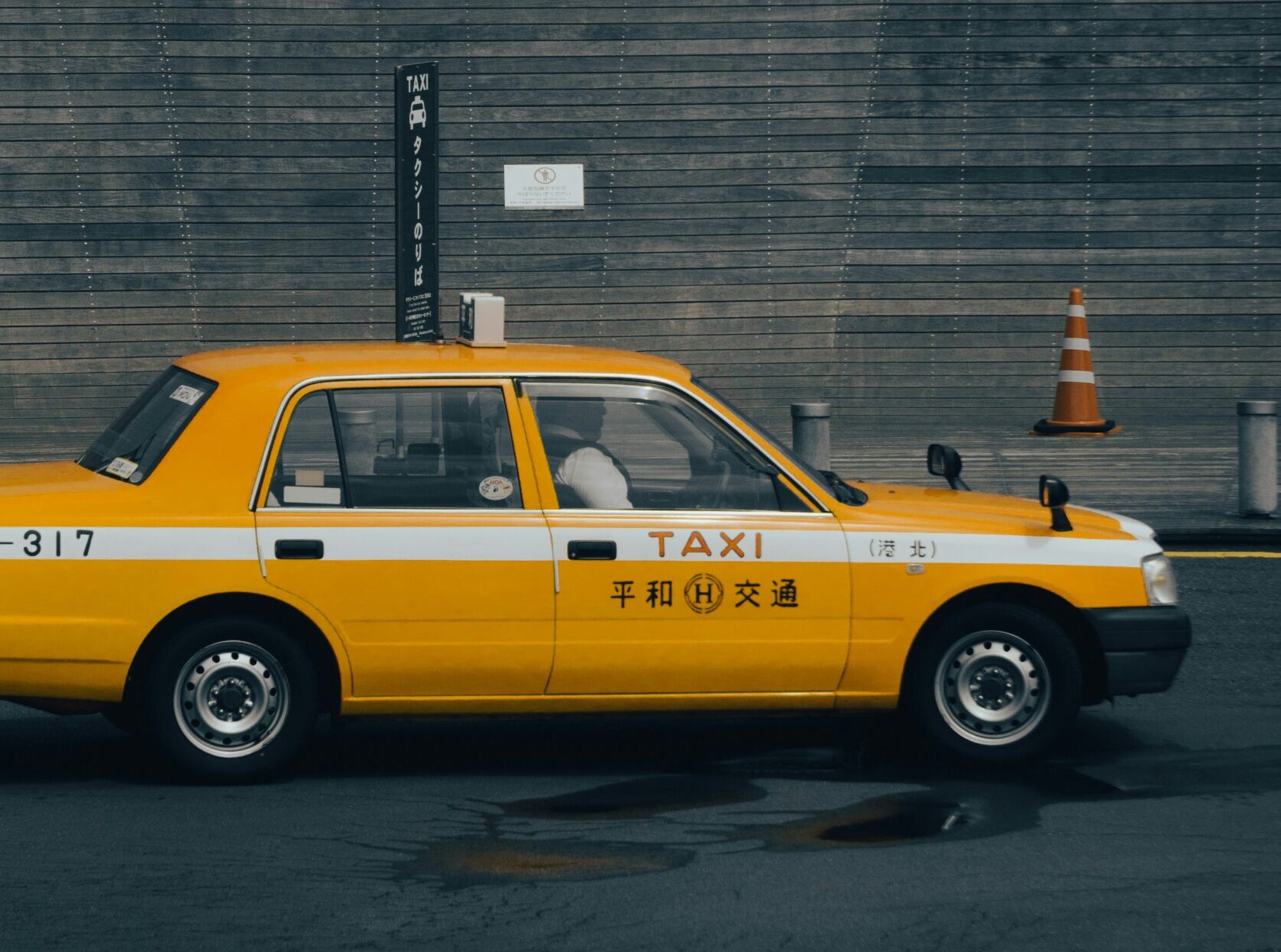
Introduction — Why Your Taxi Driver Looked Confused
You show a taxi driver an address, and instead of driving straight there, they pull out a GPS device or make a phone call. This isn’t a bad driver — Japanese addresses work fundamentally differently from Western ones, and even locals rely on landmarks and navigation more than the address itself.
The Basic Structure
Japanese addresses go largest-to-smallest (the reverse of most Western addresses):
Prefecture → City/Ward → District → Block Number → Building Number
Example breakdown: 東京都渋谷区神宮前 4-3-2
- 東京都 (Tokyo-to) — prefecture
- 渋谷区 (Shibuya-ku) — ward
- 神宮前 (Jingūmae) — district/neighborhood
- 4-3-2 — block 4, sub-block 3, building 2
Why This Trips Up Taxis and Delivery
Streets in most of Japan don’t have names in everyday use the way Western streets do (a few major avenues are an exception). Navigation is based on district and block number, not street name — which means an address alone doesn’t tell you how to walk there, only roughly where it is. This is why even Japanese taxi drivers use GPS constantly; it’s not a shortcut, it’s the actual system.
What Actually Works Better Than an Address
- Nearest train station name — locations are almost always described relative to a station first (“5 minutes from Shibuya Station, Hachikō Exit”).
- A maps app pin, not typed text — showing a driver or asking someone for directions using a dropped pin is far more reliable than reading out an address.
- Landmark-based directions — Japanese people naturally give directions by landmarks (“near the convenience store, second building”), not street names, so this is genuinely the local norm, not a workaround.
For Taxis Specifically
Save your destination as a map pin (Google Maps or a Japanese map app like Yahoo! Maps or NAVITIME) and show the driver the screen rather than reading an address aloud — this alone resolves most taxi confusion.
For Hotel Check-In and Deliveries
Your hotel booking confirmation usually has the address in both Japanese and English — keep a screenshot, since typing kanji from a Romanized address is unreliable and can send you to a similar-sounding but wrong location.
The Bottom Line
Don’t expect addresses to work the way they do at home — lean on train station names, map pins, and landmark descriptions instead, and you’ll navigate far more smoothly than trying to follow a street address on foot.

コメント