Introduction — “Japan Is Cashless Now,” Right?
A lot of travelers arrive believing Japan is a fully cashless, tap-to-pay country. It isn’t — not outside the big cities, anyway. This gap between expectation and reality is exactly where most travelers lose money or get stuck. Below, I’ll walk through what actually happens on the ground, a real failure case, and how to fix it before it costs you.
The Reality of Cashless Payment in Japan
Big Cities: Tokyo, Osaka, Kyoto
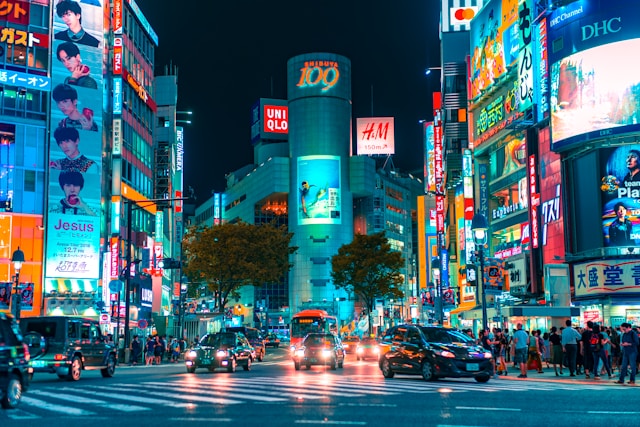
In major cities, cards and IC cards (Suica/PASMO) cover most situations — trains, convenience stores, chain restaurants, department stores. This is where the “Japan is cashless” impression comes from, and for a city-only trip, it’s mostly true.
Smaller Towns and Local Businesses
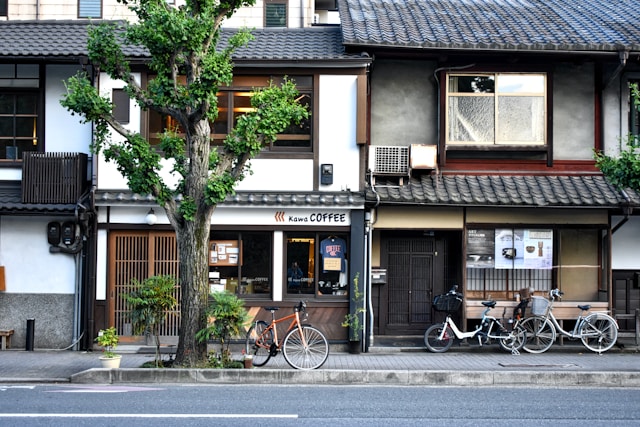
Once you’re outside the main tourist corridors, the picture changes fast. Family-run restaurants, small guesthouses, shrine/temple entrance fees, local markets, and vending machines in rural areas frequently take cash only. This is the part travel sites written by non-residents tend to gloss over, because it’s not visible from a two-week trip through the capital.
A concrete failure case:
A traveler I know budgeted almost entirely on card, assuming “Japan is cashless everywhere.” On a day trip to a small town outside a major city, the only lunch spot open was a family-run soba restaurant — cash only, no ATM within walking distance. They ended up skipping lunch and eating convenience store snacks instead, not because there was no food available, but because they hadn’t planned for a cash gap.
The fix: Always carry a cash buffer once you leave a major city center — even if you expect to pay by card. ¥5,000–¥10,000 in reserve is usually enough to cover a full day without stress.
Why Airport Currency Exchange Is a Bad Deal
The Mistake Almost Every First-Time Traveler Makes
Exchanging a large amount of cash at the airport on arrival feels safe and convenient — which is exactly why it’s priced so poorly. Airport exchange counters typically offer some of the worst rates of your entire trip, sometimes 5–8% worse than the mid-market rate, because they’re pricing in convenience and captive demand, not competition.
What an amateur does: Exchanges most of their trip’s cash budget at the arrival counter, right after landing, without comparing rates.
What a frequent traveler does instead: Exchanges a small amount (just enough for transport and a meal) at the airport, then relies on a low-fee travel card or a local ATM for the rest — because they know the airport rate is a “convenience tax,” not the market rate.
Two Ways to Avoid Losing Money on Exchange
Wise
Wise gives you a card that holds multiple currencies and converts at close to the real mid-market rate, with a transparent, disclosed fee shown before you confirm. This matters because the loss on a bad rate isn’t obvious in the moment — you only see it later, comparing your statement to the actual exchange rate that day.
Revolut
Revolut works similarly, with strong in-app tracking of exactly what you’re spending in real time, converted to your home currency. The trade-off between the two usually comes down to weekend/holiday exchange rate markups and monthly free-conversion limits, so it’s worth checking current terms before choosing.
Pro-level habit: Set up the card before the trip, not on arrival. Amateurs treat currency setup as a day-one task; experienced travelers activate and test the card at home, so it’s already working the moment they land.
Cash Rules for Travelers Covering Multiple Regions
Where Cash Is Still Required
• Small local restaurants and food stalls
• Shrine and temple entrance fees
• Rural vending machines and small-town coin lockers
• Some traditional ryokan (inns), especially smaller, family-run ones
A Simple System That Prevents the Airport Mistake
1. Withdraw cash from a convenience store ATM (7-Eleven ATMs reliably accept foreign cards) rather than exchanging at the airport.
2. Withdraw in smaller, more frequent amounts rather than one large sum — this reduces both the amount lost to any single bad rate and the risk of carrying too much cash at once.
3. Keep a fixed cash buffer any time you leave a major city, regardless of how confident you feel about card acceptance.
This is the core difference between someone who’s been burned by this once and someone who hasn’t traveled in Japan before: the first person treats cash as a standing safety net, not an emergency backup.
Conclusion — Plan for Both, Not Just One
The mistake isn’t choosing cash or card — it’s assuming one will cover you everywhere. Set up a low-fee card like Wise or Revolut before you travel, and keep a modest cash buffer once you leave the city center. That combination is what separates a smooth trip from the “no lunch in a small town” story above.

コメント